Bowling, Maintainance

Bowling Ball Maintenance 101: How to Keep Your Gear from Dying

You just dropped a couple hundred bucks on a new hook monster. It’s beautiful. It’s perfect. You take it to the lanes, and it’s everything you dreamed of. But then, a few months later, it’s not quite the same. It’s not hitting as hard. It’s not making the corner like it used to. What gives?

We see it every day here at Fastlane. A bowler comes in, frustrated that their expensive new ball is already “dead.” But nine times out of ten, the ball isn’t dead. It’s just suffocating in oil. The good news is, you can prevent this. It’s not rocket science. With a few simple habits, you can keep your equipment performing like new for years. Let’s get into it.

Why Bother? A Little Science

It all comes down to one thing: oil. Modern reactive resin balls are like sponges. They’re designed to soak up oil so they can grip the lane and hook. But that oil has to go somewhere. Over time, it seeps deeper and deeper into the coverstock, and your ball gets “oil-saturated.”

When that happens, your ball will slide more and hook less. The reaction becomes unpredictable. It loses its hitting power. It’s like trying to stop a car with greasy brakes. It just won’t grab when you need it to.

We’ve tested it here in the shop. A clean, well-maintained reactive ball can hook five to ten boards more than the exact same ball that’s been neglected. That’s a huge difference. That’s the difference between a strike and a split. It’s the difference between a 178 average and a 192.

Your Ball Care Toolbox

You don’t need a whole lot of fancy equipment to take care of your ball. Here’s what we recommend every serious bowler have in their bag:

  • Microfiber Towels: And not just one. You need at least two. One for wiping your ball down between shots, and another for cleaning it after you’re done. And don’t use a cotton towel. It’ll just smear the oil around. Microfiber is designed to trap it. We’ve got good ones here in the shop for around ten bucks.
  • Ball Cleaner: You need two kinds. A USBC-approved cleaner that you can use during competition, and a stronger one for after you’re done bowling. Don’t use Windex or Simple Green. They’ll ruin your ball. A bottle of real ball cleaner is ten to fifteen bucks and will last you a long time.
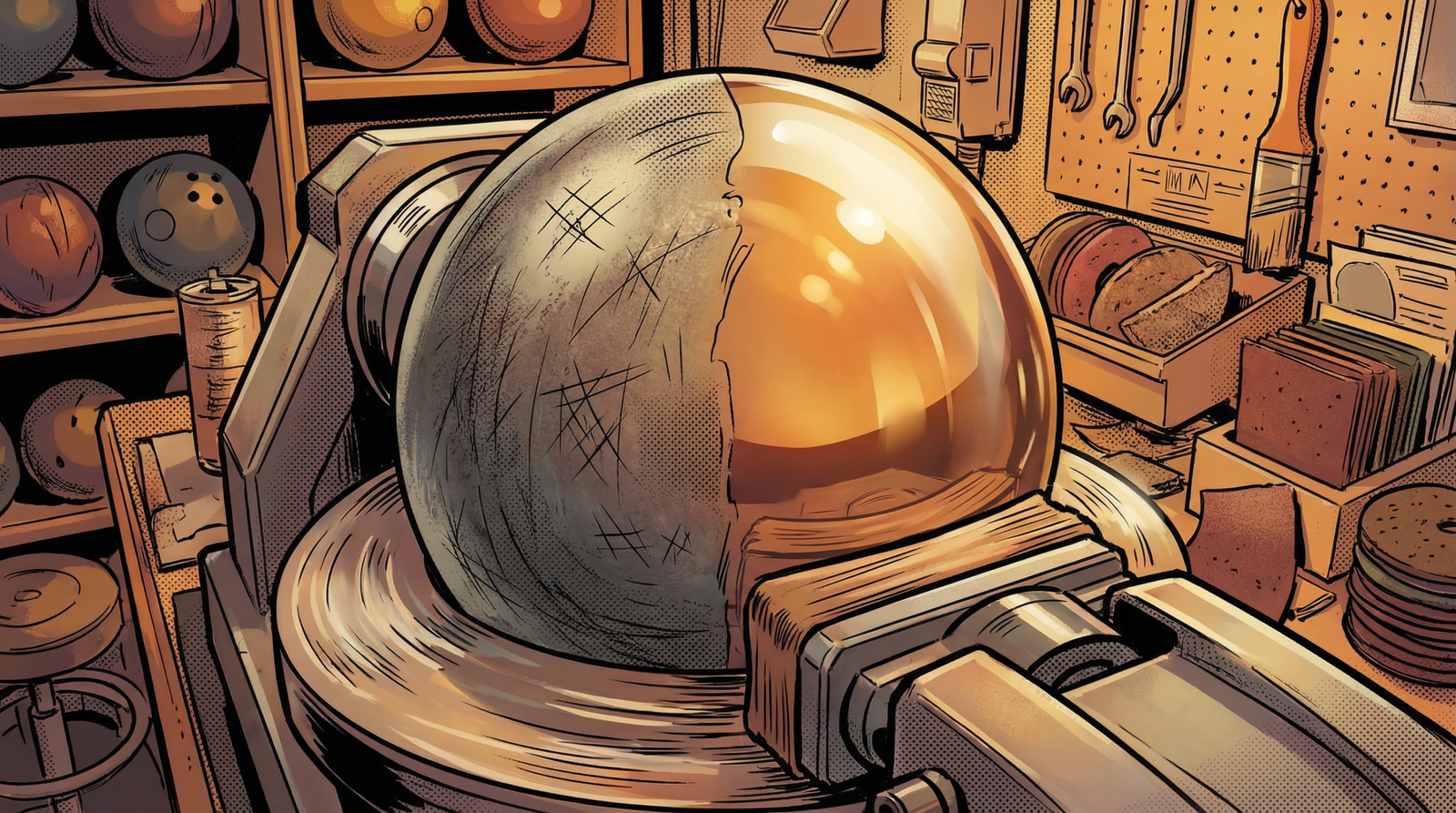
  • Abralon Pads: These are like sandpaper for your bowling ball. They let you change the surface of your ball to match the lane conditions. This is more for the intermediate to advanced bowler, but it’s a great tool to have in your arsenal.

A Simple Routine: Every Shot, After Every Session, and Every 60 Games

Here’s a simple, three-tiered approach to ball maintenance that we recommend to all our customers:

  1. During Your Game (Every Shot): Wipe your ball down with a dry microfiber towel after every single shot. This is the bare minimum. It’ll keep the oil from soaking in and make a huge difference in your consistency.
  2. After Your Session (Every Time You Bowl): When you’re done for the day, spray some after-bowling cleaner on your other microfiber towel and give your ball a good wipe down. Let it air dry before you put it in your bag. This takes two minutes, and it’ll make your ball last months longer.
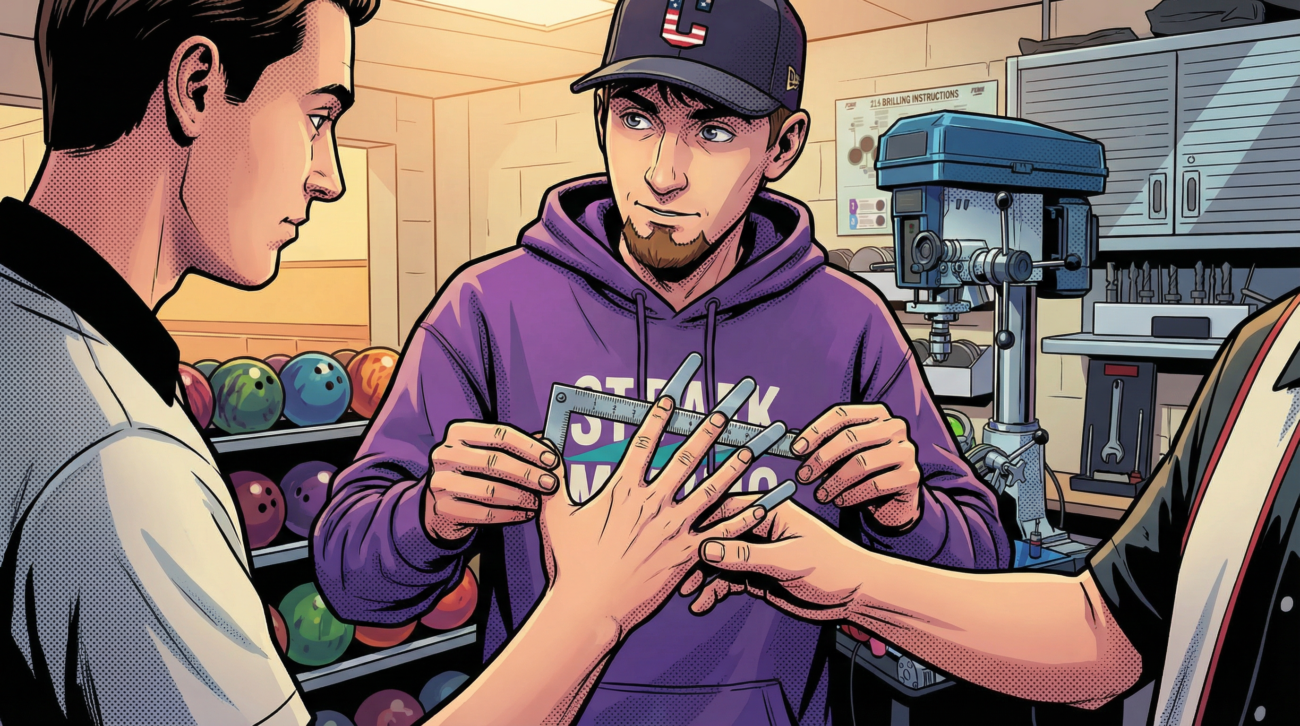
  3. Deep Maintenance (Every 60 Games or So): This is where you bring your ball in to the pro shop. We’ve got a special oven that “bakes” the oil out of your ball. It’s called a detox or rejuvenation, and it can bring a ball back to life. We can also resurface your ball with Abralon pads to get it back to its factory finish. A detox is about $25, and a resurface is about $15-20. It’s like getting a new ball for a fraction of the price.

The Hot Water Trick: A DIY Detox

If you can’t make it in to the shop for a professional detox, you can do a pretty good job at home with a bucket of hot water. Here’s how:

  1. Fill a 5-gallon bucket with hot tap water (about 125-130 degrees. Hot, but not boiling).
  2. Add a few drops of the original blue Dawn dish soap.
  3. Put your ball in the water. It’ll float, so you’ll have to rotate it every five minutes or so.
  4. Let it soak for 20-30 minutes. You’ll see the oil coming out of the ball and floating on the surface of the water.
  5. Take the ball out and dry it off with a microfiber towel.
  6. Let it sit for at least 24 hours before you use it again. The pores in the coverstock need to close back up.

Now, this isn’t as good as what we can do in the shop with our specialized equipment, but it’s a whole lot better than nothing.

Sanding and Polishing: Your Secret Weapon

The surface of your bowling ball is like the tires on a car. It’s what connects you to the road. And just like tires, you can change the surface of your ball to get different reactions. A rougher surface (lower grit) will hook earlier, and a smoother surface (higher grit or polish) will hook later.

If you’re not sure what you’re doing, it’s best to let us handle this in the shop. But if you want to experiment at home, you can get a set of Abralon pads and go to town. Just make sure you know what your ball’s factory finish is supposed to be, and work your way up or down through the grits progressively.

Don’t Wreck Your Ball in the Trunk: How to Store Your Gear

How you store your ball is almost as important as how you clean it. Don’t leave it in your car. The heat will warp it, and the cold will crack it. Store it at room temperature, on a ball cup or stand, with the finger holes facing up or to the side. And if you’re putting it away for the summer, give it a good cleaning first and store it in a breathable bag.

The Bottom Line

Look, we know this is a lot to take in. But it’s not as complicated as it sounds. Just get in the habit of wiping your ball down, and bring it in to us every once in a while for a deep cleaning. Your ball will thank you for it. And your scores will too.

Leave a Reply

Your email address will not be published. Required fields are marked *